

 Abrites AVDI J2534
 Actia Multi-Diag
 Autoland iSCAN
 Bobcat Diagnostic Kit
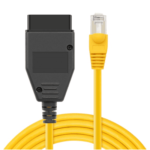 BMW ENET
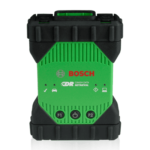 Bosch Mastertech II J2534
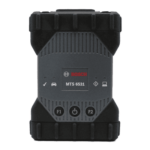 Bosch MTS 6531
 CAN CLIP RLT2002
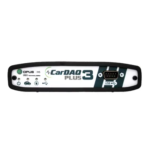 CarDAQ-Plus 3
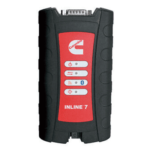 Cummins INLINE Datalink
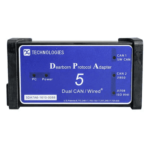 Dearborn Protocol Adapter (DPA) 5
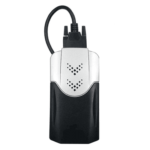 Delphi/Autocom DS150E
 DrewLinQ
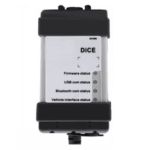 Volvo VIDA DiCE
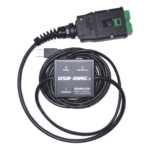 Derelek USB DIAG 3
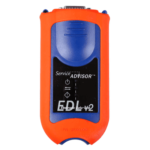 Electronic Data Link (EDL) 2
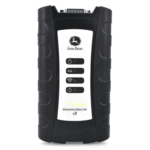 Electronic Data Link (EDL) 3
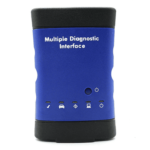 GM MDI 1
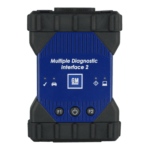 GM MDI 2
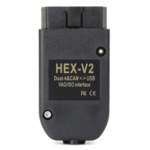 HEX-V2 VCDS VAG-COM
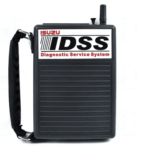 Isuzu IDSS IDS MX1
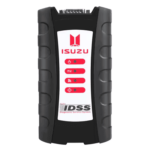 Isuzu IDSS IDS MX2
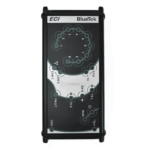 Iveco Eltrac E.A.SY. ECI
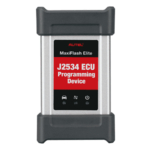 MaxiFlash Elite J2534
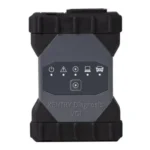 MB Star C6
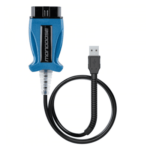 Mongoose J2534
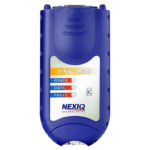 Nexiq USB-Link 1
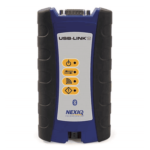 Nexiq USB-Link 2
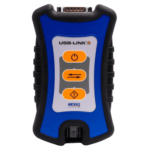 Nexiq USB-Link 3
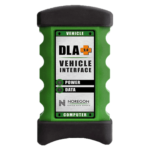 Noregon DLA+ 2.0
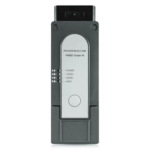 Porsche PIWIS TESTER 3 (PT3G)
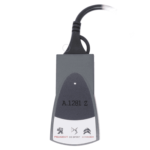 PSA LEXIA 3
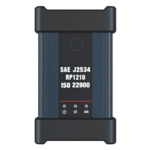 SAE J2434
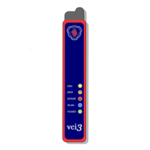 Scania VCI 3
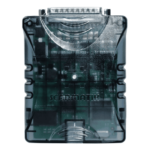 Scanmatik 2 PRO
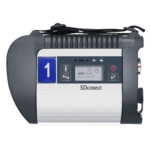 SD Connect Multiplexer
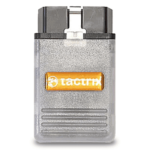 Tactrix OpenPort 2.0
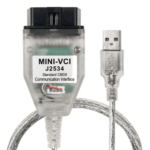 Toyota TIS Mini VCI
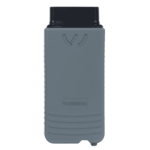 VAG ODIS VAS5054 Clone
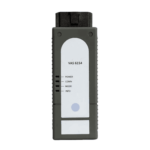 VAG ODIS VAS6154 Clone
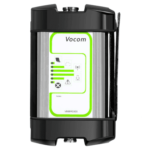 Volvo VOCOM 1
 Volvo VOCOM 2
 Xentry VCI
 Yanmar Diagnostic Interface Box (IFBOX)





Technical Highlights
Manufacturer: CNH Industrial (Case & New Holland)
Engine Family: FPT NEF Tier 4a Diesel Engines
Document Type: Factory Emission System Presentation
Date: September 2013
Slides: 46
System Type: Selective Catalytic Reduction (SCR) using Diesel Exhaust Fluid (DEF / AdBlue)
Emission Compliance: Tier 4a (Interim) and Tier 4b (Final) for off-road diesel engines
Coverage
Introduction to Tier 4 Regulations
EPA emission standards and phasing (Tier 1–4b)
90% reduction in PM and NOx required for Tier 4b
Comparison of CO, HC, NOx, and PM limits across engine power ranges
Pollutant Formation and Control
Chemistry of NOx and PM generation during diesel combustion
Relationship between temperature and NOx emissions
Acid rain and health effects from PM inhalation
Emission Solutions for Tier 4
Comparison: SCR vs CEGR/DPF (Exhaust Gas Recirculation with Diesel Particulate Filter)
Advantages of SCR on 850M–2050M dozers (fuel efficiency, less maintenance)
Selective Catalytic Reduction (SCR) Overview
5% fuel savings through high-efficiency combustion
Conversion of NOx to nitrogen (N₂) and water (H₂O) by DEF injection
Core components: DEF tank, supply module, injector, mixing baffle, and catalyst
Component Layout and Hydraulic Scheme
Diagram showing DEF flow circuit between DCU (Dosing Control Unit), Supply Module, and Injector
Pressure range: 5 bar at dosing module (Bosch SM)
Sensors: NOx, temperature (upstream/downstream), DEF level, and humidity
DEF (AdBlue) System and WEMA Tank Module
32.5% urea / 67.5% distilled water composition
Freezing point −11°C; includes coolant-heated WEMA probe
Magnetic fill neck prevents misfuelling and ensures expansion space
DEF Injector and Mixer Assembly
Bosch dosing valve (200 g/h to 9 kg/h)
Active cooling and 54° spray angle
Mixer ensures proper DEF vaporization before catalyst
Filtration and Maintenance Intervals
Inline pre-filter (100 µm Voss) – clean/replace every 600–1200 hrs
Main filter – replace every 1200 hrs
Injector filter – no maintenance required
System Logic and DNOx Function Sequence
Pressure build-up → Reverting valve check → Normal dosing → Afterrun purge
Afterrun (90 seconds): reverses flow to clear DEF lines
Electronics and Diagnostics
ECU & DCU control with 5 sensors and 2 actuators
EST (Electronic Service Tool) and EASY software integration
Urea Dosing System Test (UDST) for performance validation
Faults, Inducements & Tamper Protection
DEF low level, poor quality, SCR failure triggers performance limits
Anti-tamper algorithm prevents software downgrades
Severe inducement = 50% torque reduction + RPM limitation
Delivery
The download link will be sent to your email instantly after payment.

Reviews
Clear filtersThere are no reviews yet.